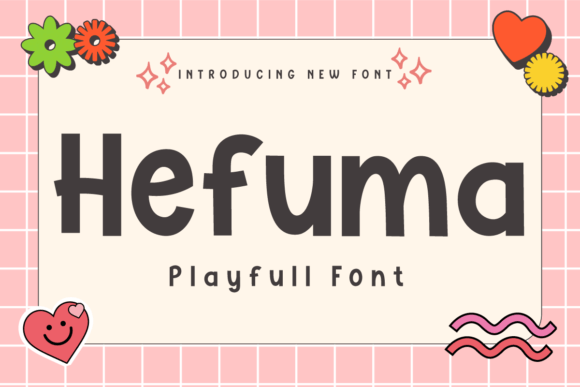
Hefuma Font: A Playful Touch for Creative Makers and Handmade Brands
Hefuma for Candle Labels and Product Packaging Design
As a candle maker who also sells custom labels and packaging, I’m always on the hunt for a sans serif font that brings personality without sacrificing readability. That’s where Hefuma shines. I recently used Hefuma Font on a line of soy candle labels with a whimsical botanical theme. The soft curves and light-hearted bounce of the letters gave the labels a handmade, artisanal feel that matched the product perfectly. It’s a playful display font, so it works best for short phrases like scent names or taglines. When printed on matte sticker paper, the font held up beautifully—even at smaller sizes. Just be cautious with very tight label layouts, as Hefuma’s character spacing can get a bit tight in all-caps at under 12pt.
Hefuma for Wedding Invitations and Elegant Branding
Wedding stationery is one of those spaces where typography can truly elevate a design. I tested Hefuma Font on a set of rustic-chic wedding invitations, using it for the couple’s names and event date. Paired with a simple serif font for the body text, Hefuma added just the right amount of charm and modern playfulness. As a fonts reviewer, I appreciated how it balanced elegance and fun—perfect for couples who want to show off their personality through design. I also used it for a boutique-style welcome board mockup, and the result was eye-catching and inviting. Just keep in mind that Hefuma is best for headlines or short text blocks; it’s not ideal for long paragraphs or RSVP details.
Hefuma for Digital Downloads and Printable Wall Art
If you create digital printables—especially for seasonal decor or motivational quotes—Hefuma could become your new go-to. I used it in a set of summer-themed wall art for a client, and the results were instantly uplifting. The creative font has a natural flow that mimics handwriting without being overly cursive or hard to read. It’s especially effective in SVG designs for Cricut and Silhouette users because the open spacing and clean lines translate well into layered cut files. I also found it worked beautifully in digital greeting cards and planner pages, where a light, cheerful tone is desired. When exporting for digital use, make sure to check the included file formats—Hefuma should come with WOFF and TTF versions for web and app compatibility.
Hefuma for Stickers, Tags, and Merchandise Design
I printed a set of seasonal gift tags using Hefuma Font for a holiday collection, and the font held up well even on small sticker sheets. The key was to use it for names and short phrases, not long descriptions. For product tags and boutique tags, Hefuma adds a boutique-level finish that feels premium without being too formal. I also tried it on a tote bag mockup and a mug design preview, and each time it gave the product a boutique-style personality. If you’re selling on Etsy or creating merchandise for print-on-demand, Hefuma pairs nicely with minimalist sans serif fonts in branding kits, giving your shop a cohesive and modern-yet-playful identity.
Font Pairing Ideas with Hefuma for Balanced Design
One of the joys of working with Hefuma Font is how well it plays with others. I often use it as a headline font and pair it with a clean sans serif like Montserrat or Lato for supporting text. For wedding invitations or planner pages, I’ve also paired it with a delicate script font for a touch of romance. The contrast between Hefuma’s bouncy style and a more structured typeface creates visual harmony that’s both professional and personal. If you're designing a logo or brand kit, consider using Hefuma for your shop name or product line titles, and a simpler font for taglines or descriptions.
What to Watch for When Using Hefuma in Real Projects
While Hefuma is a premium font with a lot of charm, it’s important to use it where it shines. Avoid using it for long paragraphs, technical instructions, or dense product labels. It’s also not the best choice for very small cuts on a Cricut machine—stick to 14pt or larger for clarity. Always check the font’s licensing to ensure it’s approved for commercial use, especially if you’re selling printables, SVG files, or physical merchandise. I also recommend testing it in your usual design software (Canva, Illustrator, Cricut Design Space) to confirm compatibility and preview how it renders at different sizes.